Our Excellent Products

Optical lens is an optical component that is a core component of an optical imaging system, used to focus light to form clear images. The mainfunction of an optical lens is to achieve precise control of light through optical principles, thereby achieving high-quality image acquisition and processing. The main function of optical lenses is optical imaging.
Automotive-grade Camera Lens
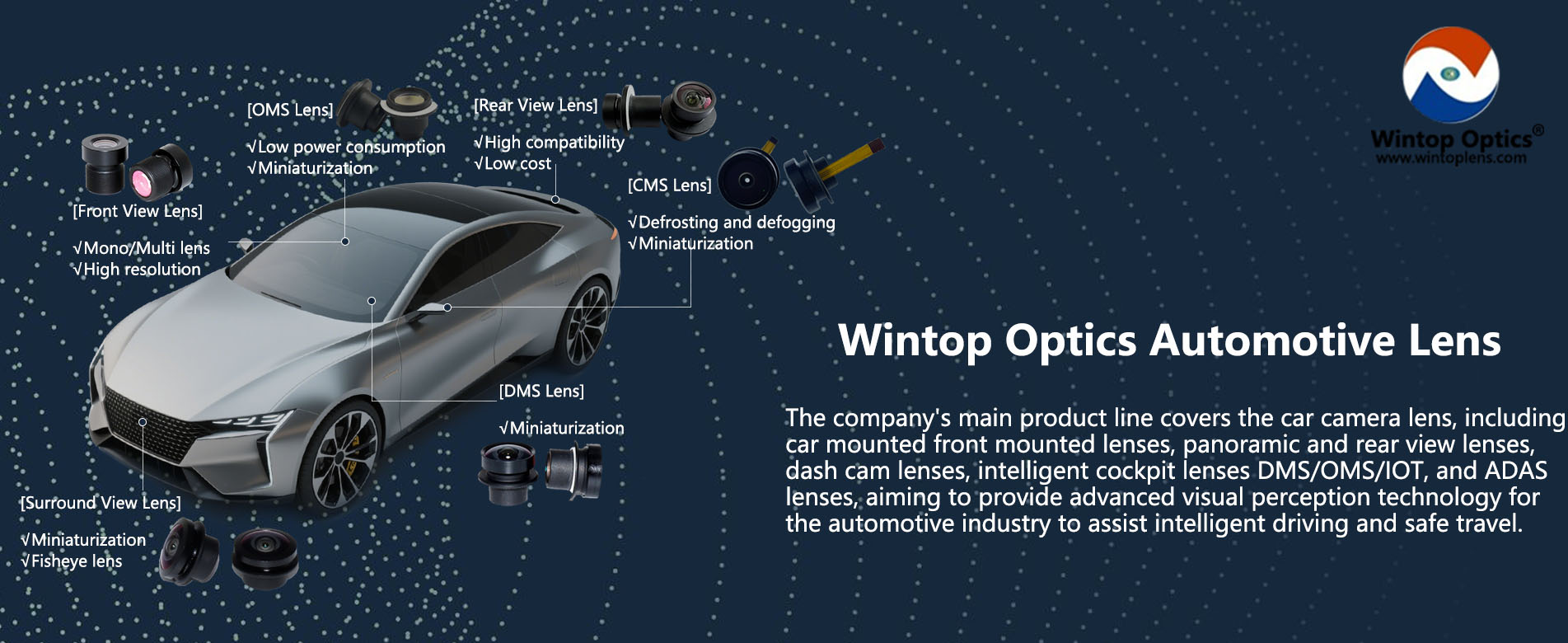
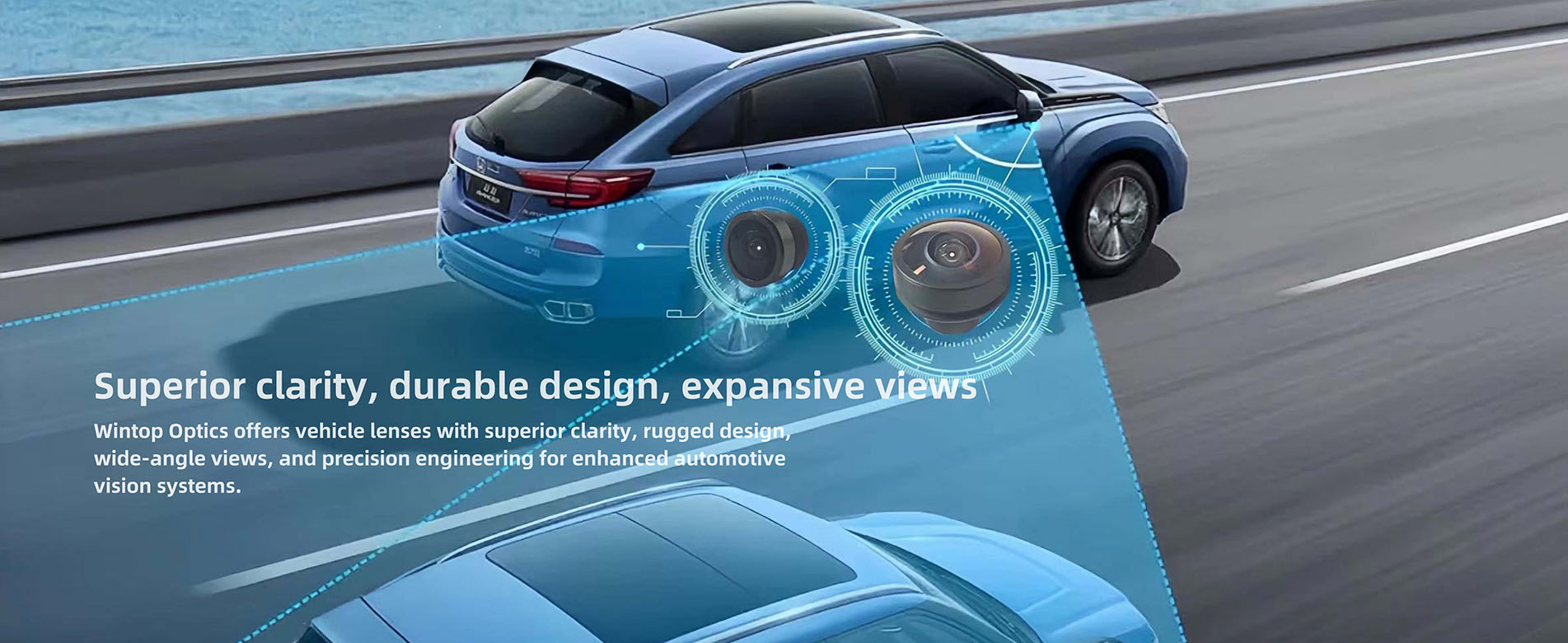
Wintop Optics’ automotive-grade camera lens are designed and manufactured in compliance with the IATF 16949/TS 16949 quality management system standards, undergoing rigorous quality control processes to ensure stable and reliable performance under extreme conditions such as high and low temperatures, vibration, and humidity. Furthermore,Wintop Optics’ automotive-grade camera lens have been widely adopted by leading global automakers in their ADAS, surround-view, and intelligent cockpit solutions, providing high-precision visual input and dependable safety assurance.
Read more
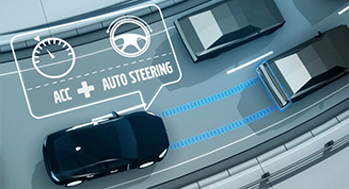
Front View Lens
The front-view camera lens for vehicles of Wintop Optics adopts a multi-layer coated lens independently developed and an optimized optical design, delivering high sensitivity and low distortion.It captures clear images even under strong backlight or in low-light and nighttime conditions, meeting the stringent requirements of ADAS systems for forward vision performance. Additionally, the front-view camera lens can be deeply integrated with CMS/OMS platforms, enabling functions such as blind spot warning, obstacle detection, and lane marking recognition. This integration provides vehicles with reliable forward vision input, aiding intelligent driving and enhancing safety.
Read more
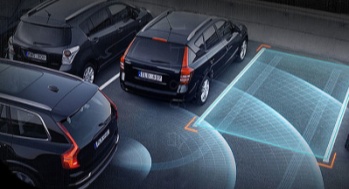
Rear View Lens
Wintop Optics’ vehicle rear-view camera lenses adopt proprietary multi-layer coating and optimized optical structure technologies, effectively enhancing image sensitivity while suppressing distortion, glare, and stray light to deliver a clear rear view. These lenses provide drivers with accurate visual support for reversing and parking. They can also be deeply integrated with advanced driver assistance systems (ADAS) such as blind spot detection, obstacle detection, and surround view systems, improving driving safety and convenience. Wintop Optics has supplied mass-production rear-view camera solutions to many globally renowned OEMs, with applications across passenger cars, commercial vehicles, and specialty vehicles. The company also offers customized services, including a range of field-of-view options, night vision lenses with infrared filters, and AA (Active Alignment) adhesive assembly processes, to meet the diverse needs of customers in various industries.
Read more
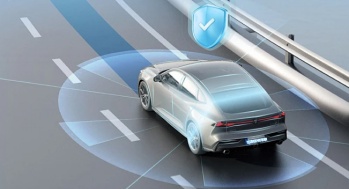
Surround View Lens
The surround-view system utilizes multiple ultra-wide-angle M12 fisheye lenses combined with advanced image stitching and fusion algorithms to deliver a seamless 360° bird’s-eye view around the vehicle, with deep integration of ADAS functions such as blind-spot warning and obstacle detection. With over 60 utility-model patents and a product portfolio of more than 200 lens models, Wintop Optics delivers highly customized surround-view camera lens solutions to meet diverse vehicle types and application requirements. Its products have obtained TS16949, ISO 9001, and ISO 14001 international quality management system certifications, ensuring stable and controllable quality that complies with the automotive industry’s stringent standards.
Read more
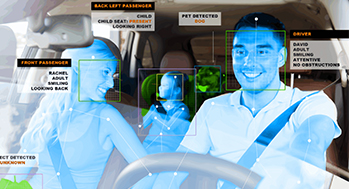
In-Cabin Lens
Wintop Optics' in-cabin automotive cameras lens deliver high-precision multimodal perception capabilities for intelligent cockpits, integrating advanced imaging technologies with intelligent algorithms to address the complex requirements of Driver Monitoring Systems (DMS) and Occupant Monitoring Systems (OMS). Leveraging multispectral imaging technology (including RGB-IR and short-wave infrared), these camera lens ensure reliable operation across all lighting conditions, maintaining clear detection of occupant behaviors such as fatigue recognition, gaze tracking, and passenger safety monitoring—even in low-light, backlit, or adverse weather scenarios.
Read more
CMS Lens
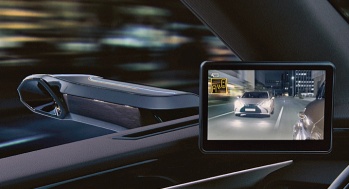
Through coating technology and design optimization, Wintop's car camera lens can improve the sensitivity of images, effectively reduce image distortion, and reduce the impact of glare and stray light on imaging. It replaces traditional metal rearview mirrors with cameras and screens. The principle is very simple. The camera captures the image behind the car, processes it through a hardware and software system, and displays it on the screen, allowing the driver to see the real-time image behind the car. At the same time, CMS can integrate functions such as blind spot warning and obstacle warning, promoting development of advanced driver assistance systems (ADAS).
Read more
Car DVR Lens
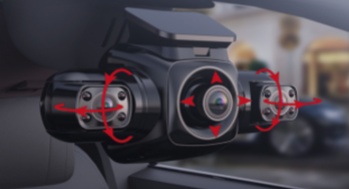
Driving recorder lens (also named DVR/dashcam lens) is a camera lens that records information related to images, sounds, and other aspects of a vehicle's journey. After installing the driving recorder lens, it can record video images and sounds of the entire process of car driving, providing evidence for traffic accidents. The driving recorder lens can objectively record the driver's operation process before a motor vehicle accident, effectively providing various reactions made by the driver before, during, and after the accident, as well as changes in the external environment.
Read more
  • 19
    0+ Years

    R&D and Production Experience

  • 200
    0+ Items

    Lens Models

  • 1000
    0+

    Cooperation Partners

  • 15000
    0+

    Factory Area(㎡)

About Us

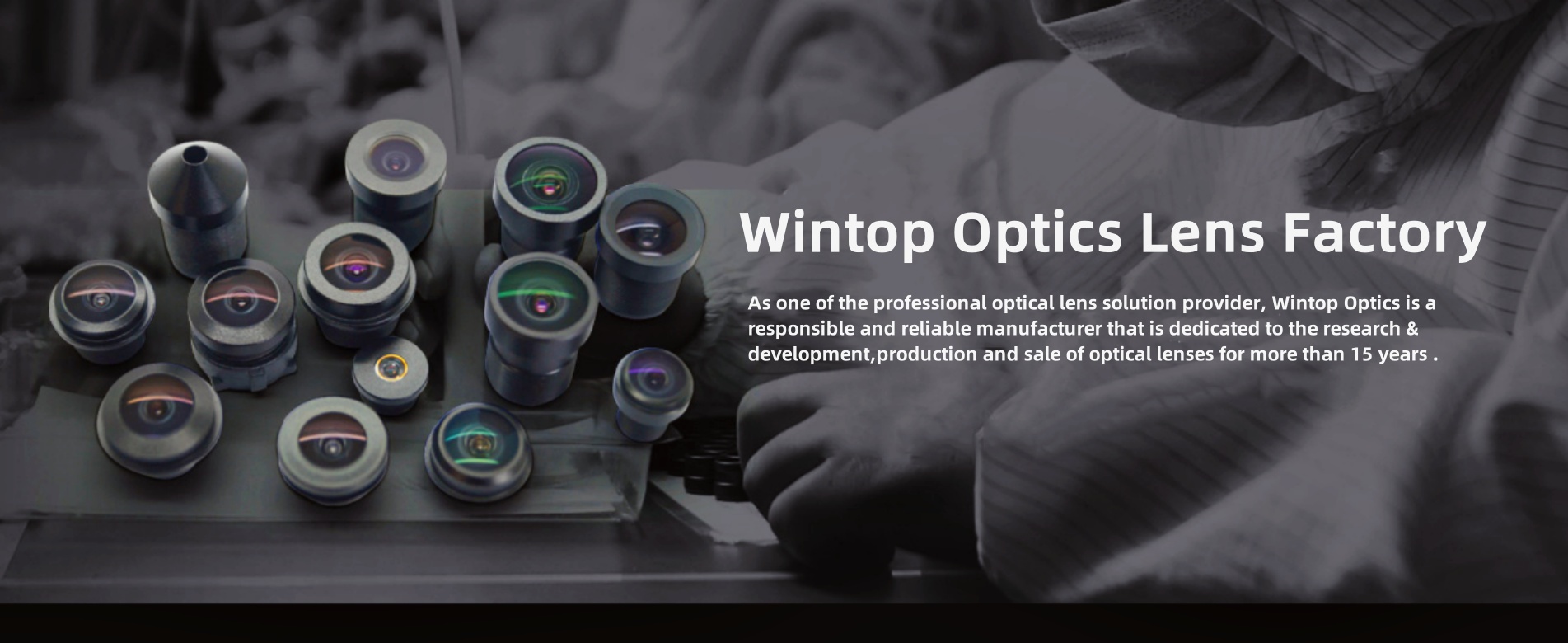
“Wintop Optics” as one of the professional optical lens solution provider, is a responsible and reliable manufacturer that is dedicated to the research&development,production and sale of lenses more than 19 years of experience. Wintop's R&D center was established on August 2006 in Shenzhen and its manufacturing center was located in Huangmei, Hubei with an area of 15,000 square meters. Wintop Optics is a subsidiary of Hubei Yuntai Times Optical Instrument Co., Ltd.

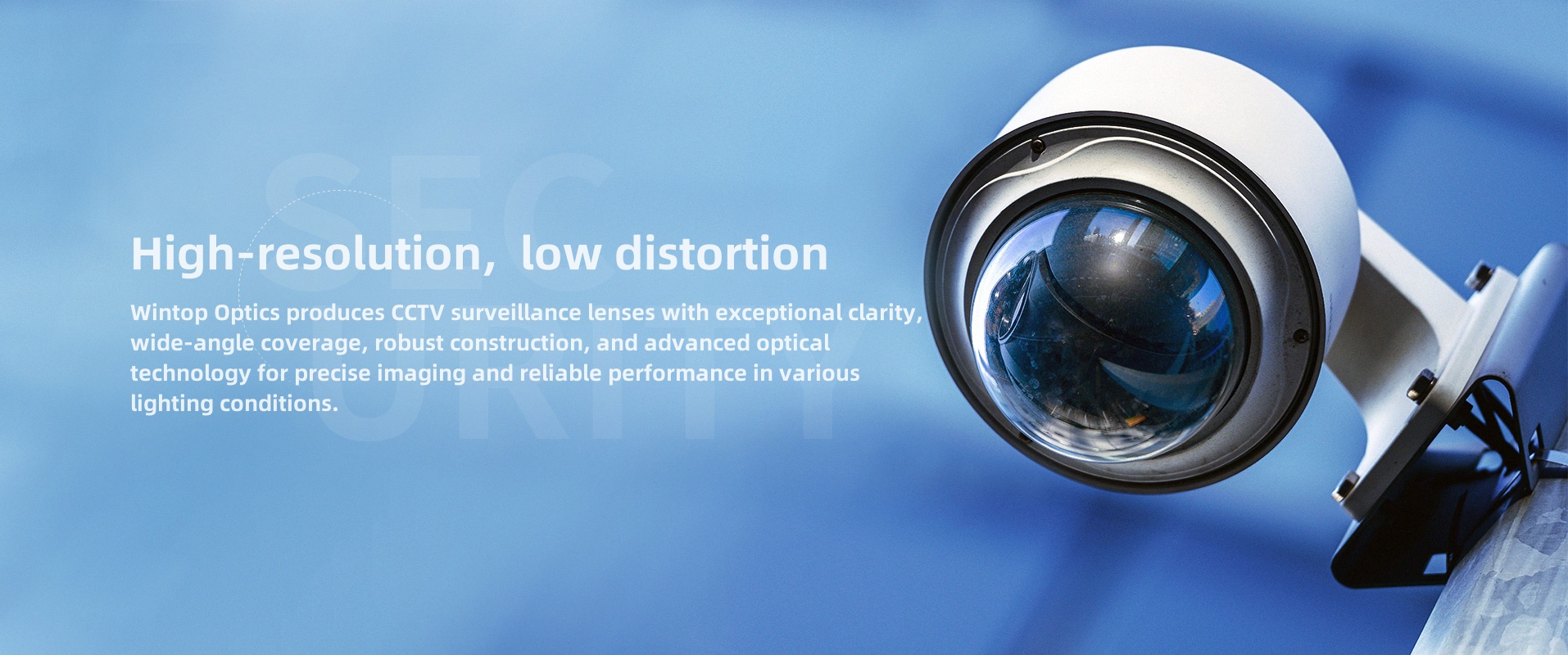
Wintop Optics has own independent optical system develop and design team, which has long-term cooperation with senior optical consultants from famous universities in China. Its products are mainly used in high-end imaging fields such as automotive monitoring camera lens, Car DVR lens, vehicle ADAS / CMS / OMS lens, security surveillance CCTV lenses, intelligence home devices lens,low distortion sport camera lens, face recognition lens and wide angle fisheye lenses etc. 

Read More
24H Service online86 153-0268-9906

Factory

Hubei factory covers an area of 15,000 square meters, glass grinding monthly output value reach 2 million pieces, lens assembly equipped with 1000-level dust-free workshop, which has 8 manual assembly lines and 10 automatic production lines, with monthly output approach 2 million sets optical lenses. Wintop Optics has 60+ utility model design patents and 200+ models,continuously launching new products every quarter to lead the market direction.

Honor

Wintop Optics have passed TS16949 certification (international automobile industry quality management system) ,ISO9001,ISO14001...  

Our Partner

Hubei factory covers an area of 15,000 square meters, glass grinding monthly output value reach 2 million pieces, lens assembly equipped with 1000-level dust-free workshop, which has 8 manual assembly lines and 10 automatic production lines, with monthly output approach 2 million sets optical lenses. Wintop Optics has 60+ utility model design patents and 200+ models,continuously launching new products every quarter to lead the market direction.

Why Choose Us

With over 19 years of dedicated service in the optical lens sector, Wintop Optics has accumulated a wealth of knowledge and expertise. By consistently delivering high-quality lenses and providing exceptional service, Wintop Optics has been positioned as a preferred lens supplier.  

Case Center

Wintop's R&D technology team provides professional solutions based on personalized customer requirements.Since 2012 year, we have implemented multiple successful solutions for Vtech、iRobot、Jabil、BYD、Holitech these well-known enterprises domestic and abroad.  
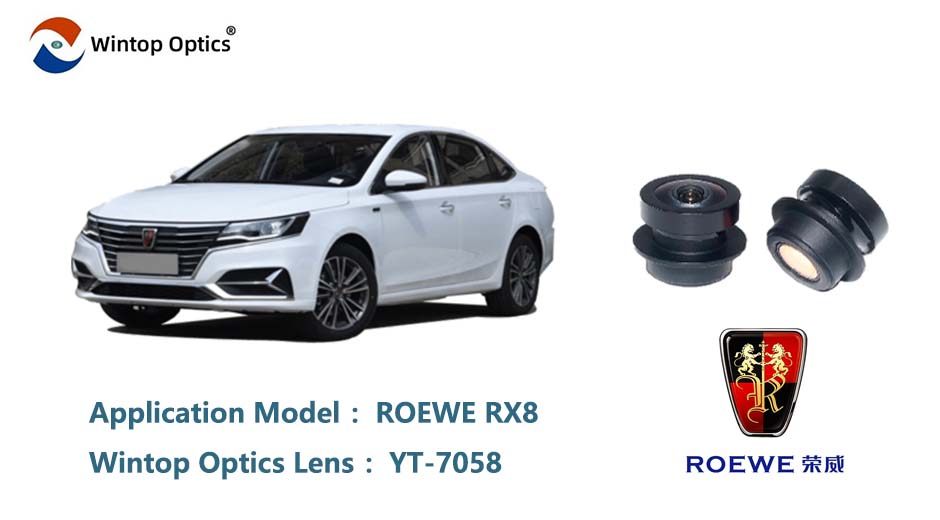
Lens application case 12--ROEWE RX8
Project Overview: ROEWE RX8, a flagship SUV under SAIC Motor, is equipped with a high-performance 360° surround view system. To ensure clear, distortion-controlled panoramic imaging, ROEWE selected the WINTOP OPTICS YT-7058 panoramic lens as the core optical component. Why YT-7058? Ultra-Wide Field of View: Delivers up to 200° horizontal FOV, ideal for vehicle surround monitoring. Low Distortion Design: Ensures accurate image stitching for smooth panoramic display. Automotive-Grade Reliability: Passed high-temperature, vibration, and waterproof testing, meeting IATF 16949 standards. Compact Size: Easily integrated into multi-camera vehicle systems without affecting exterior design.   Application Result: The YT-7058 panoramic lens helps ROEWE RX8’s surround view system provide drivers with enhanced safety visibility, reducing blind spots during parking, lane changes, and low-speed driving.
Read More
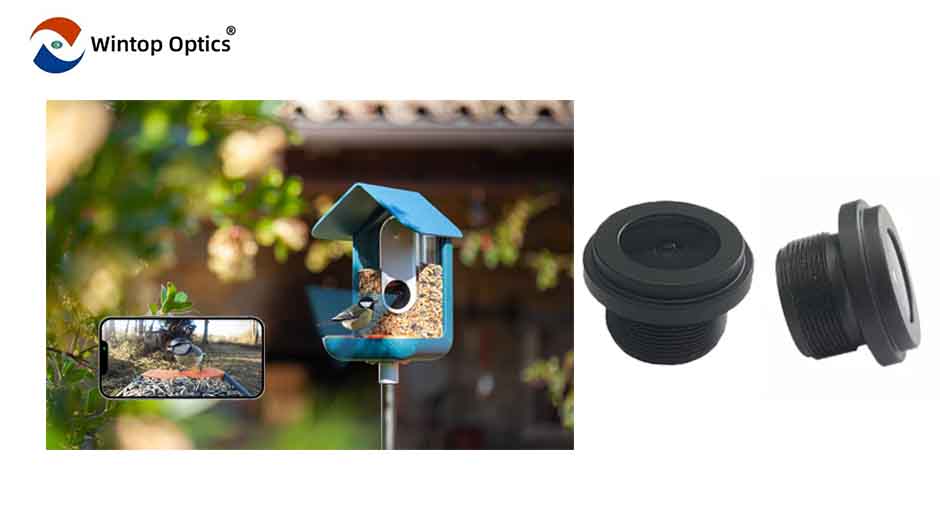
Lens application case 11--Smart Bird Feeders
Background As interest in nature and wildlife observation grows, smart bird feeders have become increasingly popular in gardens, balconies, and outdoor spaces. These intelligent devices not only automate bird feeding but also allow users to observe and record bird activity in real time through built-in cameras. Customer Requirements & Challenges The customer required a compact, high-quality outdoor camera lens that could deliver: Clear, high-resolution imaging both day and night A wide field of view to monitor a broad area Resistance to rain, dust, and humidity Easy integration into the bird feeder’s compact housing WINTOP’s Custom Lens Solution WINTOP provided a customized wide-angle IR lens designed for 1/2.7" sensors, with the following key features: 2MP HD resolution for crisp imaging of bird details Infrared-enhanced structure for reliable night vision 120° wide-angle field of view to capture full scenes IP66-rated weatherproof design for long-term outdoor use Compact lens barrel for easy integration with plastic enclosures Results & Performance After mass production, the client reported: Excellent daytime clarity and detail recognition Stable IR imaging at night with no motion blur No fogging or leakage during prolonged outdoor testing Improved user satisfaction due to enhanced image quality on mobile apps   The application of WINTOP’s lens in a smart bird feeder camera system demonstrates our expertise in optical solutions for AIoT and smart home devices. We continue to support innovators worldwide with custom lens solutions for smart, connected technologies. Interested in high-performance lenses for your smart devices? Contact us today!
Read More
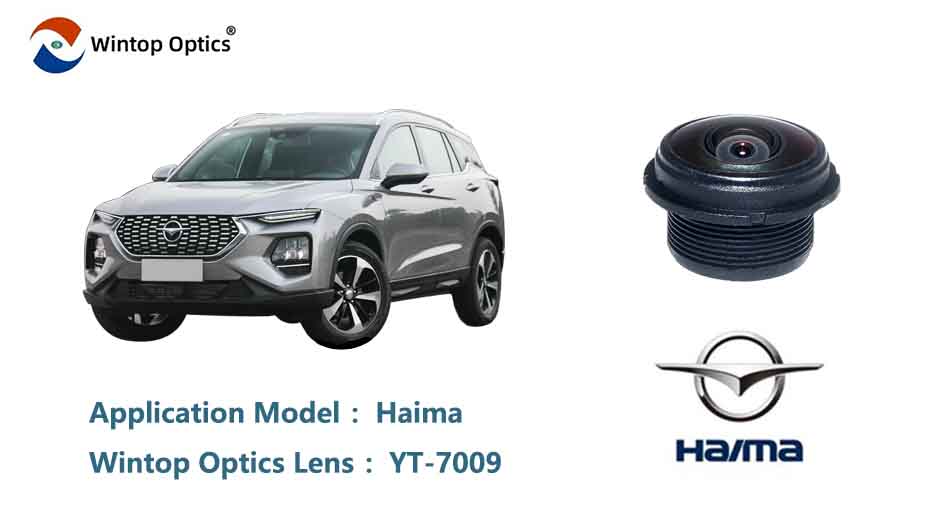
Lens application case 10--Haima
Wintop Optics, a leading domestic automotive optical lens solutions provider, leveraged its expertise in optical design and precision manufacturing to develop the YT-7009 ultra-wide-angle lens—optimized for next-gen AVM systems. Haima Auto, a user-experience-focused Chinese automaker, selected the YT-7009 as the "eyes" for its new flagship models’ surround-view systems. Wintop YT-7009 Lens: Technological Highlights & Innovations The YT-7009 delivers systemic innovations addressing core AVM pain points: Exceptional Low-Light Performance:Utilizes high-transmittance nano-coating (>95% light transmission) to suppress stray light. Compatible with large-format, high-sensitivity sensors, delivering clear, low-noise images even at moonlight illumination (<0.1 Lux). Automotive-Grade Robustness: All-Metal Inner Barrel: Enhances mechanical/thermal stability, preventing defocus across -40°C to +85°C. IP69K Protection: Withstands high-pressure car washes and harsh weather. Vibration Resistance: Passes rigorous mechanical shock/vibration tests for long-term reliability. Compact & Integration-Friendly:Space-optimized design facilitates seamless embedding in mirrors, grilles, or tailgates. *Table: Key Specifications & Advantages of Wintop YT-7009* Feature YT-7009 Performance Pain Point Solved / Value Delivered FOV ≥200° (Horizontal) Full coverage around vehicle, eliminating blind zones Low-Light Capability >95% transmittance, <0.1 Lux imaging Clear night/garage visibility; 24/7 safety Environmental Durability -40°C~+85°C, IP69K, vibration-resistant Reliable performance in all climates/terrains Structure Compact all-metal inner barrel Easy integration, space-saving, stable Results: Enhanced Safety & Brand Value Haima’s AVM system with YT-7009 lenses has launched successfully, earning positive feedback: Superior User Experience: Users report "natural stitching with minimal edge distortion" and "clear night mode," boosting confidence in low-light parking and reducing collision risks. Competitive Edge for Haima: The high-performance hardware-software integration makes Haima’s AVM a standout feature in its price segment, reinforcing its "tech-savvy & safe" brand image. Domestic Supply Chain Synergy: This project exemplifies successful China-China automotive-tech collaboration. Wintop delivered not just lenses but also co-development agility, supply chain resilience, and cost efficiency. Future Outlook: Continuous Leadership in Automotive Optics The successful deployment of Wintop YT-7009 in Haima vehicles marks a breakthrough in performance and reliability for Chinese high-end automotive optics, reducing dependence on international suppliers. Wintop’s future R&D focus: Integrated Perception: Higher-resolution, wider-dynamic-range (WDR) lenses for shared ADAS/AVM sensors. Optical Innovation: Exploring non-axial imaging for L3+ autonomous driving. Material/Process Upgrades: Lighter, smaller, more robust, and cost-effective solutions. Wintop Optics is committed to advancing intelligent automotive vision globally. Together with partners like Haima, we enable safer, smarter mobility through optical excellence.
Read More
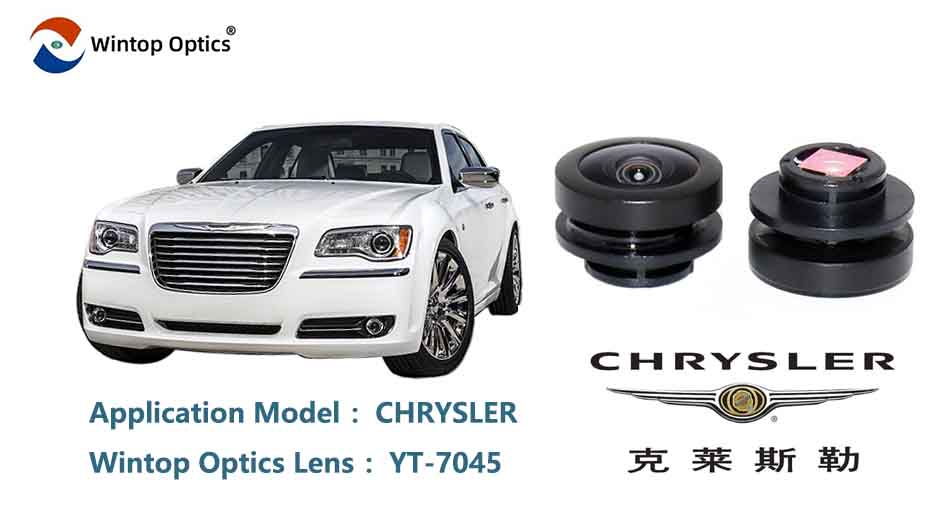
Lens application case 09--CHRYSLER
As vehicle safety and driver assistance technologies continue to evolve, high-resolution rear-view camera systems have become a standard feature in modern vehicles. With over 18 years of optical manufacturing expertise, Wintop Optics provides automotive manufacturers with reliable, high-performance lens solutions. One of our flagship products—the YT-7045 lens—has been successfully integrated into the rear-view camera system of a CHRYSLER model, delivering sharp image quality and robust performance under demanding conditions. Project Background CHRYSLER was seeking to enhance the safety and user experience of its reversing system by improving image clarity and minimizing distortion, especially under low-light and wide-angle viewing conditions. To meet these requirements, Wintop provided the YT-7045 lens, a compact, wide-angle lens optimized for rear-view applications in automotive environments. Lens Highlights The YT-7045 lens is designed specifically for rear-view camera systems, offering the following advantages: Wide Field of View: With a horizontal FOV of 200°, the lens ensures comprehensive rearward visibility, significantly reducing blind spots during reversing or parking. Low Distortion Design: Engineered with precision optics to minimize edge distortion, improving the accuracy of the rear display image. High Image Clarity: Supports up to 2-megapixel resolution and incorporates high-transmittance coatings for excellent light sensitivity and detail capture, even in low-light conditions. Automotive-Grade Reliability: Fully compliant with automotive grade standards, capable of stable performance in extreme temperatures from -40°C to +85°C. Compact Mechanical Structure: With a diameter of just Φ12.9mm, the lens allows seamless integration into compact rear-view camera modules. Customer Feedback The CHRYSLER engineering team expressed strong satisfaction with the lens’s optical quality and robust environmental performance: “The YT-7045 lens from Wintop delivered exactly what we needed—wide, clear, and distortion-free rear-view imaging. Its stable performance in diverse conditions made it a reliable component in our vehicle platform. We appreciate Wintop’s technical collaboration and prompt support.” Conclusion This successful deployment of the YT-7045 lens in CHRYSLER’s rear-view camera system reflects Wintop’s commitment to delivering cutting-edge optical solutions for the automotive industry. We will continue to innovate and provide trusted imaging components that enhance vehicle safety and driver confidence.
Read More
Lens application case 08--iRobot sweeping robot
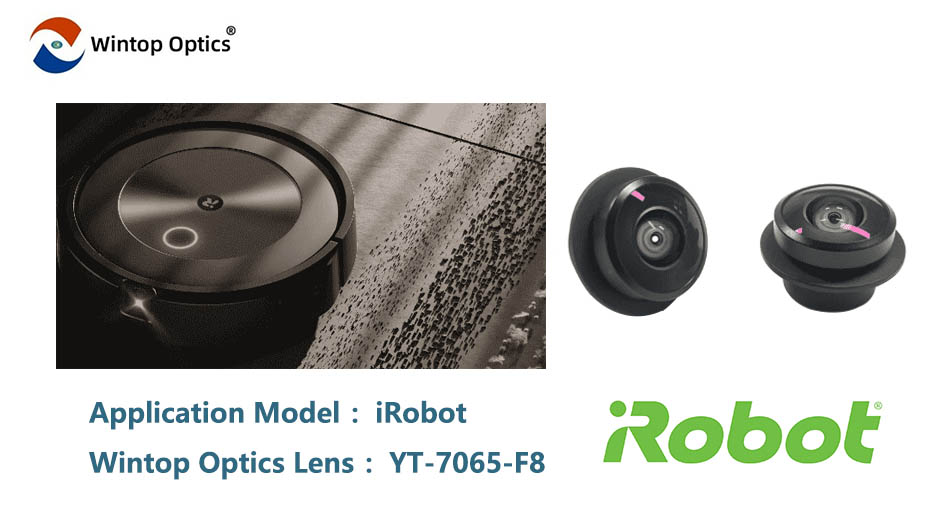
With the rapid development of smart home technology, sweeping robot has become one of the standard fittings of families. As a pioneer in the robot cleaning industry, iRobot sweeping robot not only completely changes the way of cleaning, but also brings a more convenient home experience for efficient consumers. With the further development of artificial intelligence and the Internet of Things (IoT), iRobot's sweeping robot is transforming from a single cleaning device to a smart home steward. The iRobot projects all use YT-7065-F8 lenses developed by Wento Optics, highlighting the company's contribution to the development of vacuum cleaning robots focused on customer home cleaning. The iRobot vacuum cleaner lens is part of an advanced vacuum cleaner that monitors every corner of the home. The iRobot sweeping robot lens can focus on all the stains on the floor to ensure that customers have a clean home. Wintop Optics' YT-7065-F8 lens has been adopted by the iRobot vacuum cleaner project. YT-7065-F8
Read More
Lens application case 07--Lawn Mowers
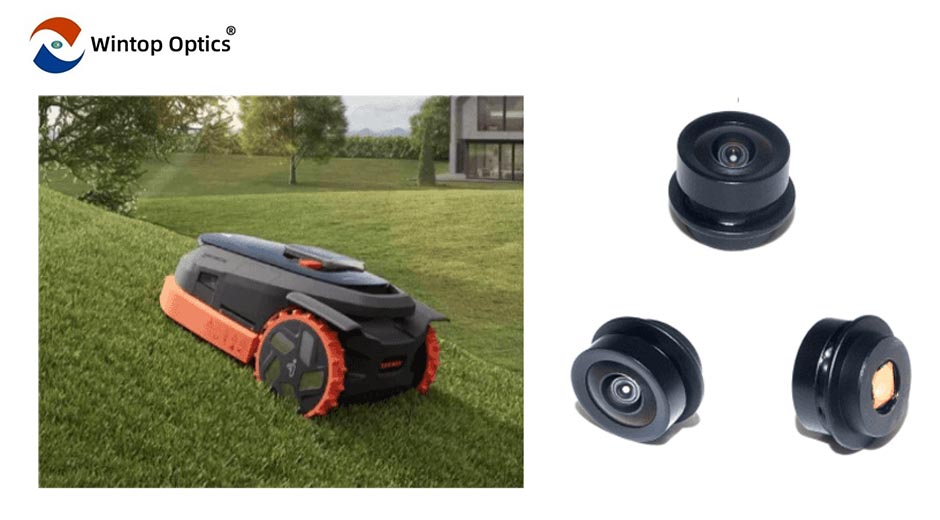
The application of lenses on lawn mowers can provide better user experience and operation accuracy. By installing lenses on lawn mowers, users can obtain the following solutions: Intelligent path planning: The lens can capture images of the surrounding environment, using high-resolution features and image recognition algorithms to determine the best mowing path. The mower is able to analyze obstacles in the image and avoid them, making the mowing process more efficient and precise, which is amazing, like a smart robot with a lens. Avoid damaging flower beds and cutting passing children: With real-time image feedback from the lens, the lawn mower can detect the position of flower beds, stones and people, and adjust the mowing path accordingly to avoid damage to them. It's hard not to fall in love with such a safe camera lens Automatic adjustment of mowing height: The camera lens of the M12 bayonet can monitor the actual situation of the lawn and automatically adjust the mowing height of the lawn mower according to the growth of the grass and the desired height set by the user. In this way, the lawn mower can perform adaptive mowing in different areas and different grass lengths to keep the lawn clean and even. Fault diagnosis and maintenance tips: The lens can capture the working status and parts of the lawn mower, and transmit the image data to the user or maintenance personnel. By analyzing these image data, potential faults or maintenance needs can be detected in advance, and timely measures can be taken to improve the reliability and life of the lawn mower. Overall, the application of lenses on lawn mowers can enhance the performance and experience of lawn mowers by providing solutions such as intelligent path planning, damage avoidance, automatic adjustment of mowing height, and trouble diagnosis and maintenance tips through technologies such as image recognition and real-time feedback.  
Read More
Lens application case 06--LEAPMOTOR
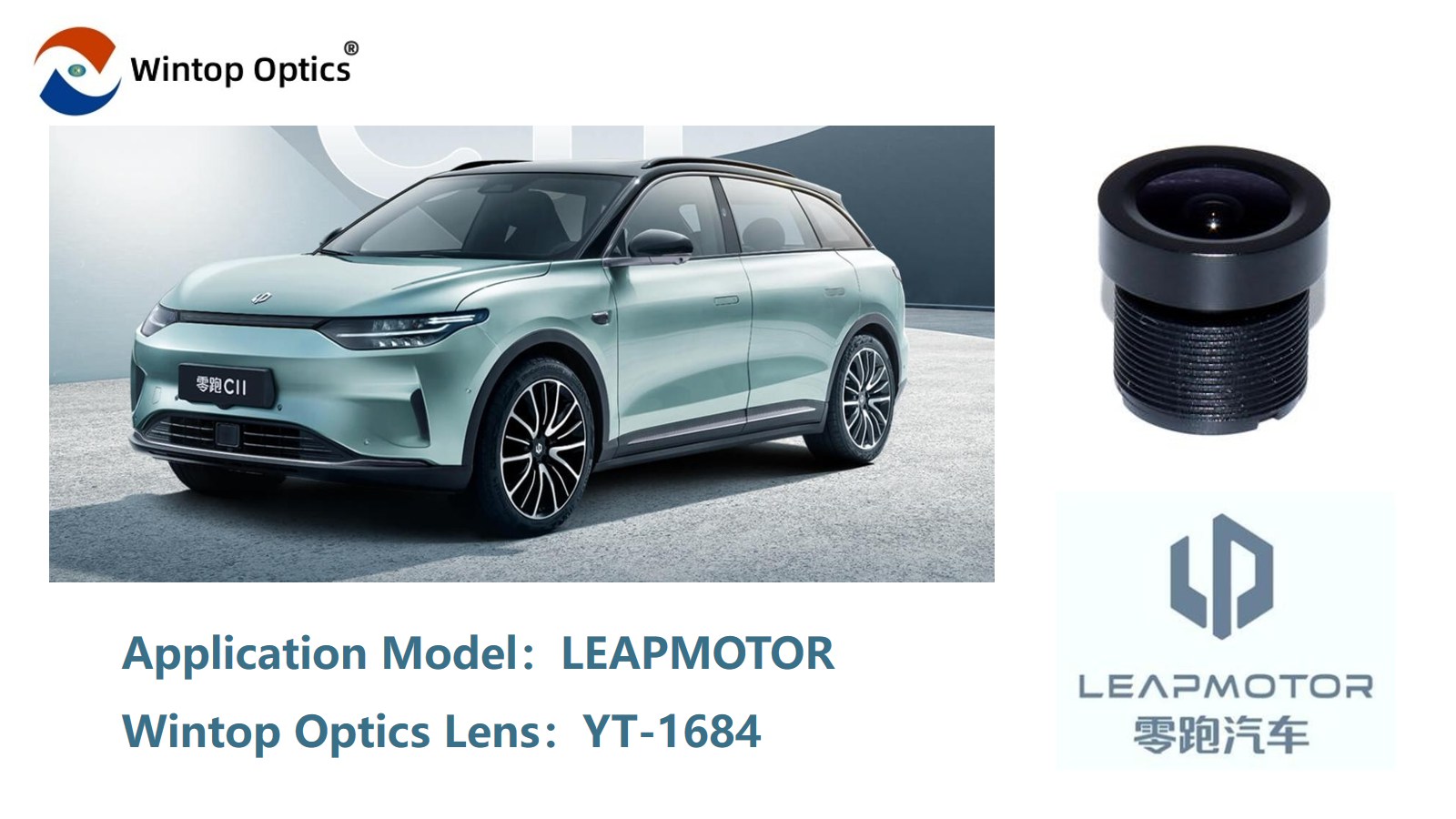
Successful Application of Wintop Optics DVR Lens YT-1684 in LEAPMOTOR   In the field of automotive safety and smart technology, Wintop Optics is known for its excellent optical products--imaging lens. The YT-1684 car camera lens, an innovative driving recorder lens of Wintop Optics, has been successfully applied to LEAPMOTOR cars to enhance the intelligent monitoring system of vehicles.   Product features: High definition: The YT-1684 dvr lens features high-quality optical glass to ensure clear images and true colors. Wide-angle field of view: Provides a wide-angle field of view of more than 100 degrees to clearly record driving conditions. Durability: The car camera lens is designed to be durable and capable of withstanding a wide range of severe weather conditions.   LEAPMOTOR case: LEAPMOTOR, as a leading new energy vehicle manufacturer, is committed to providing a high-tech and intelligent driving experience. After partnering with Wintop Optics Lens Manufacturer, LEAPMOTOR has integrated the YT-1684 car dvr lens into its production models.   Success factors: Safety upgrade: The high-definition and ultra-wide-angle field of view of the YT-1684 dash cam lens significantly enhances driving safety and helps drivers better monitor their surroundings. Intelligent integration: The camera seamlessly integrates with the intelligent driver assistance system of the LEAPMOTOR car to provide real-time road condition analysis and early warning. User feedback: Users are highly satisfied with the performance of the YT-1684 car dvr lens, especially its clear imaging performance in recording road conditions.   Market impact: The introduction of the YT-1684 lens not only enhances the market competitiveness of the LEAPMOTOR, but also promotes the technological progress of the entire automotive industry. The cooperation between Wintop Optics and LEAPMOTOR is regarded as a milestone in the development of smart car technology.   Future Outlook: With the development of autonomous driving and vehicle to everything technologies, Wintop Optics' YT-1684 car dvr lens is expected to play a greater role in future vehicle safety and monitoring systems, providing drivers with a more comprehensive and intelligent driving experience.  
Read More
Lens application case 05--FAW Jiefang
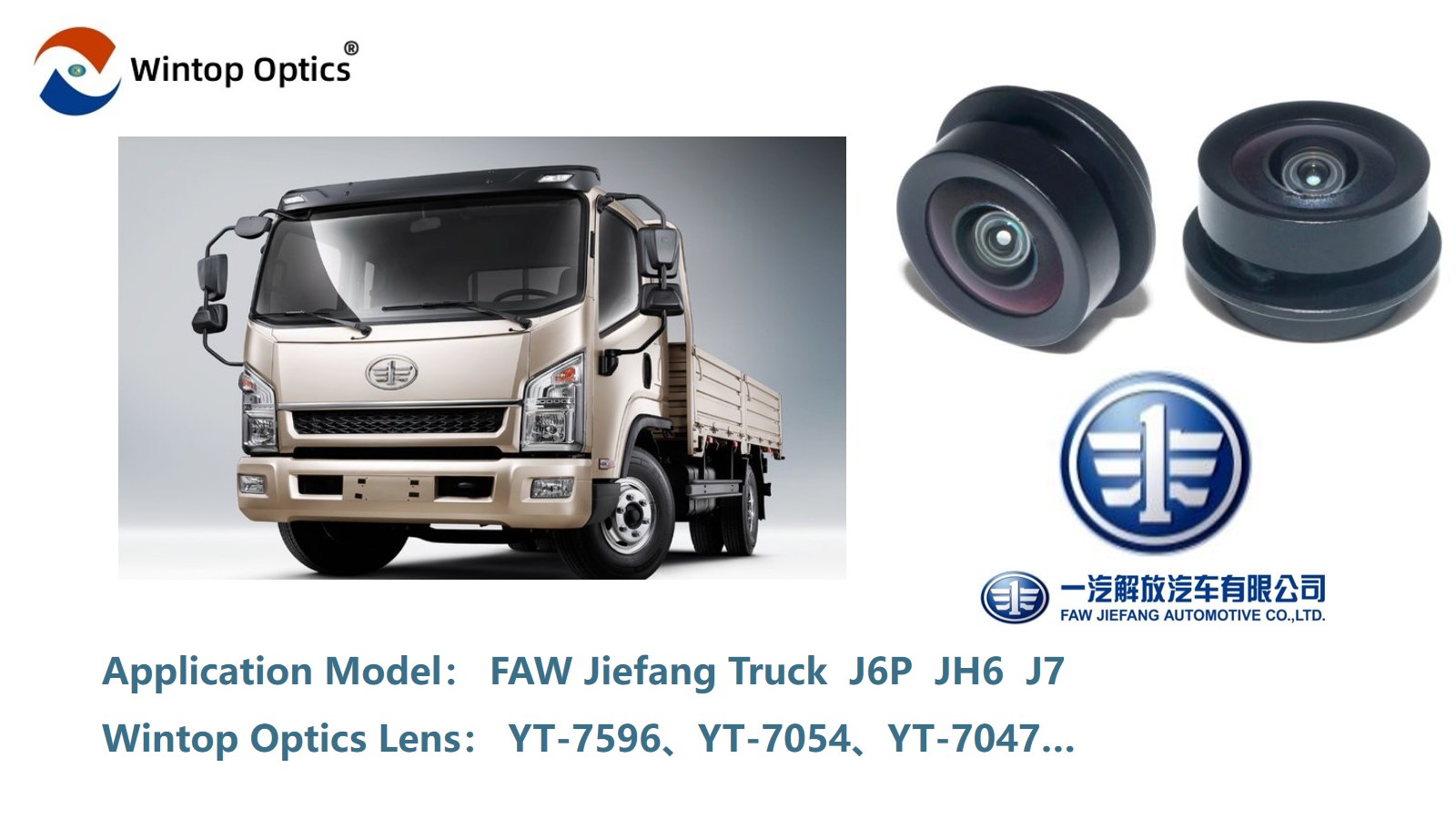
FAW Jiefang has utilized multiple models of Wintop Optics' car rearview lens and surround view lenses, including the YT-7596, YT-7054, and YT-7047. These applications demonstrate the versatility of Wintop's product range and its suitability for various automotive applications, enhancing the vehicle's rear and surround vision capabilities.The application of various camera lenses, including rearview and surround-view lenses, plays a crucial role in enhancing the safety and efficiency of heavy-duty truck transportation. Blind Spot Monitoring Lenses: These lenses are part of advanced driver-assistance systems (ADAS lens) that monitor the truck's blind spots, especially during lane changes. By providing real-time alerts to the driver, these systems significantly enhance safety on the road. The lenses used in blind spot monitoring systems are typically high-resolution and have a wide field of view to cover the necessary areas. Adaptive Cruise Control (ACC) and Lane Keeping Assist (LKA) Lenses: These lenses are used in systems that help maintain a safe following distance and keep the truck within its lane. They are equipped with advanced sensors that can detect the speed and position of vehicles ahead, allowing the truck to adjust its speed accordingly.
Read More
Lens application case 04--Magna
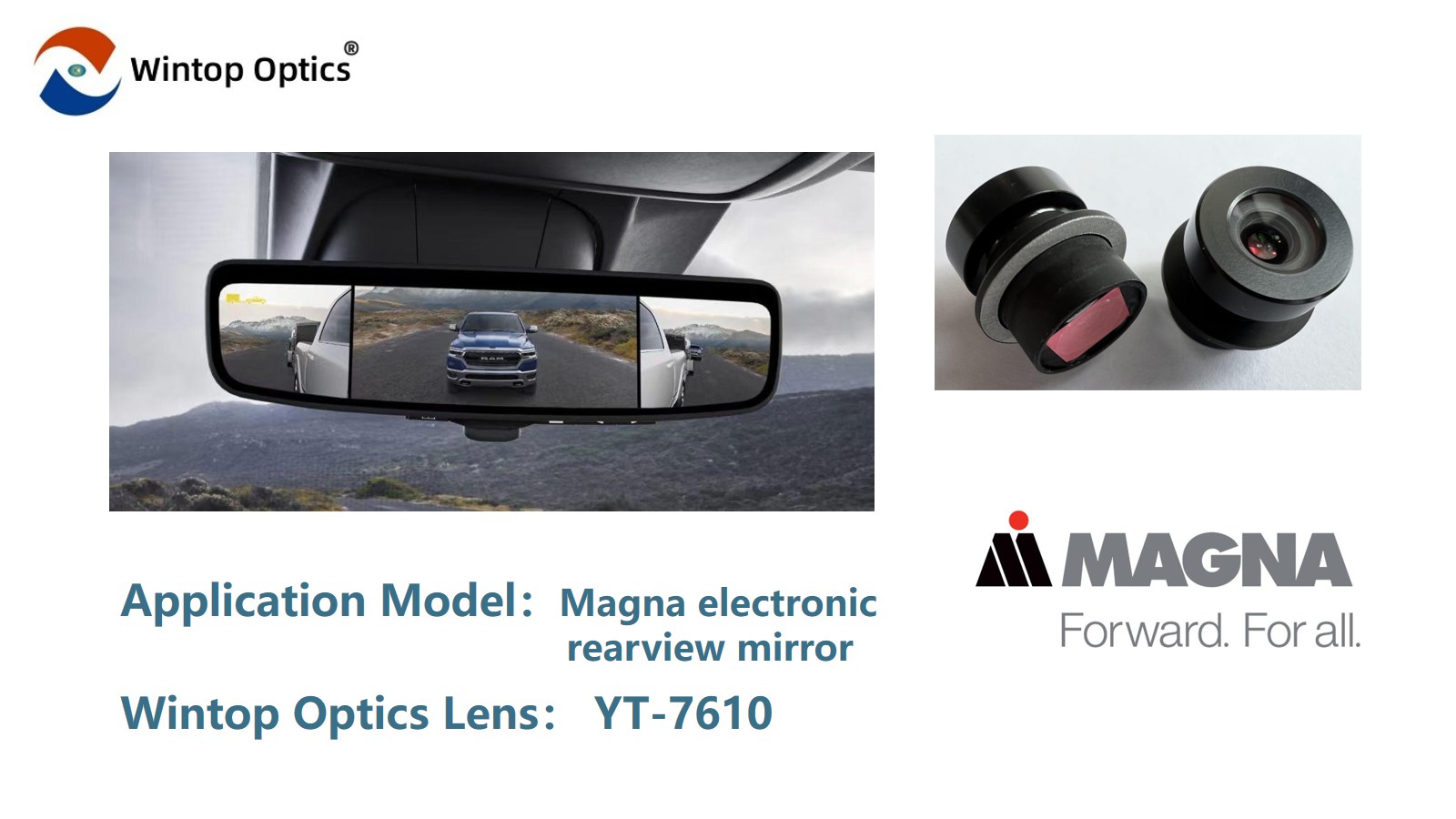
Wintop Optics' YT-7610 model ADAS lens was selected for Magna's side view and ADAS (Advanced Driver-Assistance Systems) projects. This partnership is a testament to Wintop's ability to provide lenses that support the development of sophisticated systems designed to improve vehicle safety and driving assistance. Automotive Side view lenses are used for blind spot detection and lane change assistance, providing the driver with a clear view of the adjacent lanes. Electronics rearview lenses are integral to various safety features such as adaptive cruise control, lane departure warning, and collision avoidance systems. They use cameras and sensors to gather data about the vehicle's surroundings. The YT-7610 model lens by Wintop Optics has been selected by Magna for their side view and ADAS projects, showcasing the lens's ability to support these advanced systems.
Read More
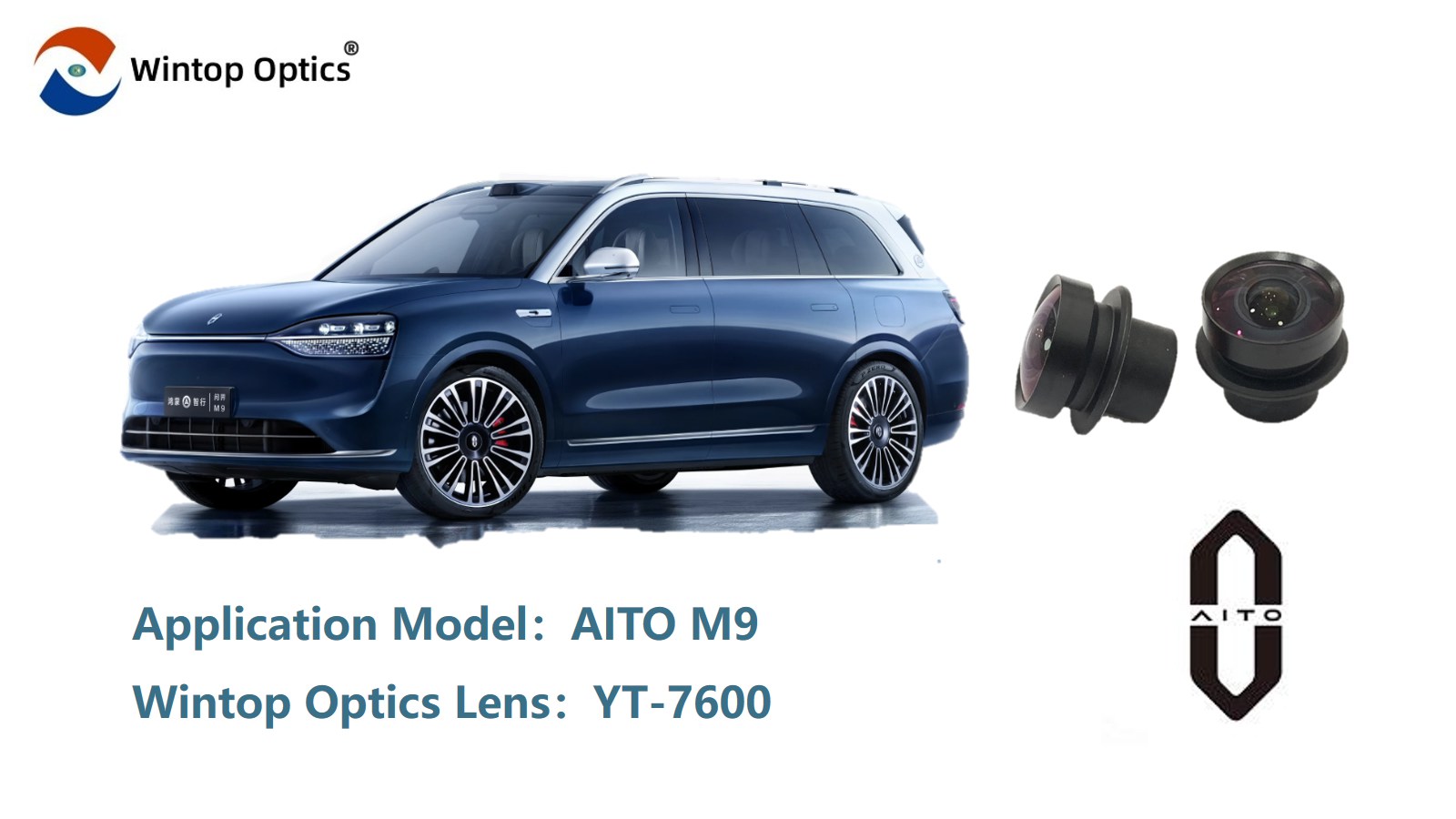
Lens application case 03--AITO
Huawei's vehicle-mounted DMS (Driver Monitoring System) and OMS (Occupant Monitoring System) projects benefited from the YT-7600 model lens developed by Wintop Optics. This adoption underscores the company's role in contributing to cutting-edge automotive technologies that focus on driver and passenger safety. Car (Driver Monitoring System/Occupant Monitoring System) DMS lenses /OMS lenses are part of advanced safety systems that monitor the driver's attentiveness and the passengers' status within the vehicle. The DMS lens focuses on the driver's face to detect signs of fatigue or distraction, while the OMS lens monitors the occupants to ensure safety features like airbags are deployed correctly. The YT-7600 model Occupant Monitoring System lens from Wintop Optics has been adopted for Huawei's automotive projects, highlighting its suitability for these sophisticated monitoring systems.
Read More

News and Blog

Wintop Optics is dedicated to pushing the boundaries of optical lens technology. As a forward-thinking lens manufacturer, we continuously evolve, embracing new optical technologies to meet the diverse needs of our global clientele. Wintop Optics is your partner in progress. 
Blog
Best Lens Solutions for Surround View Systems
The Challenges Behind a Good Surround View System A surround view system is designed to give drivers a complete view of the area around the vehicle. By combining images from multiple cameras, the system creates a bird's-eye view that helps with parking, maneuvering, and obstacle detection. While the final display may look simple, achieving a seamless 360-degree image is far from easy. Many surround view projects encounter the same challenges: Blind spots around the vehicle Distorted stitched images Poor edge image quality Inconsistent brightness between cameras Reduced visibility at night Calibration difficulties during integration In many cases, engineers spend significant time optimizing software algorithms, only to discover that the root cause originates from the optical system itself. The quality of a surround view camera lens directly affects how well the entire system performs. Why the Lens Matters More Than Most Engineers Expect A surround view system relies on four or more cameras positioned around the vehicle. Each camera captures a different perspective, and those images must be combined into a single overhead view. For this process to work correctly, every camera must deliver: Consistent image quality Accurate geometry Sufficient field of view Stable brightness Reliable day and night performance Even small optical imperfections can create visible stitching errors. For example: A lens with excessive distortion may cause road markings to appear curved. A lens with poor edge resolution may produce blurry areas near the stitching boundary. A lens with uneven illumination may create visible brightness differences between adjacent camera views. This is why the surround view camera lens is often one of the most critical components in an AVM system. Ultra-Wide Field of View: The Foundation of 360-Degree Coverage One of the primary requirements for a surround view camera is wide-area coverage. Most AVM systems use an automotive fisheye lens with an ultra-wide viewing angle to minimize blind spots around the vehicle. Common configurations include: 180-degree automotive lens 190-degree automotive lens 200-degree fisheye lens A wider field of view allows each camera to cover a larger area, reducing gaps between adjacent images. Benefits include: Improved vehicle coverage Reduced blind spots Easier image stitching Enhanced parking assistance performance However, increasing field of view introduces additional optical challenges, particularly distortion control. Finding the right balance between coverage and image quality is essential when selecting a lens for a 360-degree vehicle camera system. Low Distortion Makes Image Stitching Easier Image stitching is one of the most important functions of a surround view system. The software must accurately merge multiple camera images into a single continuous view. When distortion is excessive, stitching becomes more difficult and less accurate. Typical symptoms include: Misaligned parking lines Broken lane markings Warped vehicle outlines Visible stitching boundaries A low distortion surround view lens helps reduce these problems before software correction is applied. Although fisheye lenses naturally introduce distortion, an optimized optical design can significantly improve image geometry and simplify system calibration. For many automotive camera projects, distortion performance is one of the first parameters engineers evaluate during lens selection. Image Clarity Across the Entire Frame Many automotive camera systems achieve good sharpness in the center of the image but struggle near the edges. This issue becomes especially noticeable in surround view applications because image stitching often occurs near the edge regions. Poor edge performance can result in: Blurred objects Reduced obstacle visibility Less accurate image stitching Lower overall image quality A high-quality surround view camera lens should maintain good image resolution throughout the entire field of view. Consistent image quality improves both driver visibility and system reliability. Night-Time Performance Is Just as Important A surround view system must perform reliably during the day and at night. Parking lots, underground garages, construction sites, and poorly lit roads all present challenging lighting conditions. A lens designed for automotive applications should support: Good light transmission Stable image quality in low-light environments Compatibility with HDR image sensors Reliable infrared performance when required Poor night-time visibility can reduce the effectiveness of parking assistance systems and increase the risk of missed obstacles. For this reason, low-light performance is often considered alongside field of view and distortion during automotive lens selection. Common Lens Problems Found in AVM Projects During development, engineers frequently encounter issues that appear to be software-related but actually originate from the optical system. Edge Blur Objects near the edge of the image appear soft or difficult to identify. Uneven Brightness Different areas of the image display inconsistent illumination levels. Calibration Difficulties Excessive distortion increases the complexity of calibration procedures. Inconsistent Camera Performance Variations between lenses create visible differences between stitched images. Reduced Visibility in Low-Light Conditions Insufficient optical performance affects image quality at night. Identifying and addressing these issues early can significantly reduce development time. How to Select the Right Surround View Camera Lens Choosing a surround view camera lens requires balancing multiple performance factors. Field of View A wider viewing angle provides better coverage but may increase distortion. Distortion Control Lower distortion simplifies calibration and improves stitching quality. Sensor Compatibility The lens should be optimized for the selected image sensor size and resolution. Automotive Reliability The lens must withstand vibration, temperature fluctuations, and long-term vehicle operation. Image Quality Consistency Stable optical performance is essential across all cameras in the system. Working with an experienced automotive camera lens manufacturer can help avoid costly development delays and improve overall system performance. Applications Beyond Passenger Cars Although surround view systems are commonly associated with passenger vehicles, they are increasingly used across a wide range of industries. Commercial Trucks Large vehicles benefit from improved visibility around the entire vehicle. Buses Surround view cameras help reduce blind spots in urban environments. Construction Equipment Operators gain better awareness when working in confined spaces. Agricultural Machinery Enhanced visibility improves operational safety. Mining Vehicles Heavy equipment often operates in challenging environments where blind spot reduction is critical. As adoption continues to grow, demand for reliable surround view camera lens solutions is increasing across multiple vehicle categories. Why Wintop Optics for Surround View Lens Solutions Developing a successful surround view system requires more than simply selecting a wide-angle lens. Field of view, distortion performance, image consistency, sensor compatibility, and environmental reliability must all work together to achieve the desired result. At Wintop Optics, we work closely with customers developing: Surround view camera systems Around View Monitoring (AVM) solutions Bird's-eye view systems Parking assistance cameras Commercial vehicle camera systems Special-purpose vehicle vision systems Our engineering team focuses on solving practical imaging challenges through optimized optical design and reliable manufacturing processes. Whether the goal is wider coverage, lower distortion, improved image quality, or easier integration, we help customers find the most suitable optical solution for their project requirements. Talk to Our Engineering Team If you are evaluating lens options for a new surround view project, selecting the right optical partner can significantly reduce development time and improve system performance. Wintop Optics provides OEM and ODM automotive lens solutions tailored to the requirements of modern surround view camera systems. Our team can assist with: Field of view selection Distortion optimization Sensor matching Mechanical integration Prototype development Mass production support Visit: www.wintoplens.com Email:yorty@yuntal.com Tel:+86 153 0268 9906 If you are developing an AVM system, bird's-eye view camera, or 360-degree vehicle camera solution, contact Wintop Optics to discuss your project and explore the best lens solution for your application.
Jun 12,2026 view more
Blog
What Makes a Good Document Camera Lens for Clear Document Capture?
Why the Lens Matters in a Document Camera When users evaluate a document camera, they often focus on resolution, frame rate, software functions, or OCR performance. However, the image quality of a document camera starts with the optical lens. A high-resolution sensor cannot compensate for poor optical performance. If the lens introduces distortion, loses edge sharpness, or produces uneven illumination, the captured document may not provide the clarity required for scanning, presentation, or character recognition. Whether the device is used as a document camera, visual presenter, book scanner, document scanner, or document digitization system, the lens directly affects image quality. For manufacturers developing document imaging equipment, choosing the right document camera lens is one of the most important design decisions. Common Problems Caused by Poor Lens Performance Many document imaging devices experience image quality issues that are often caused by unsuitable optical designs. Typical problems include: Blurred Text Around the Edge A lens may appear sharp in the center while losing resolution toward the edges. This becomes obvious when scanning: Contracts Financial documents Textbooks Certificates Technical drawings For OCR document capture systems, edge clarity is especially important. Document Distortion A poor document scanner lens may cause straight lines to appear curved. This issue affects: OCR recognition accuracy Document measurement Form processing Archive digitization For professional document imaging applications, a low distortion document camera lens is often preferred. Uneven Brightness Corner darkening can reduce document readability. A quality document capture lens should provide consistent illumination from center to edge. Inaccurate Colors Educational document cameras and visual presenters frequently display diagrams, charts, and photographs. Poor color reproduction can reduce presentation quality and affect user experience. Key Features of a High-Quality Document Camera Lens High Resolution for Small Text Capture Modern document cameras are expected to capture small text clearly. A high resolution document camera lens allows users to view: Fine print Handwritten notes Technical diagrams Educational materials without losing detail. The optical system should fully utilize the sensor's resolution capability. Low Distortion Optical Design A low distortion document camera lens helps maintain the original shape of documents. This is especially important for: OCR scanner cameras Archive digitization equipment Legal document scanners Financial document processing systems Low distortion also improves the professional appearance of captured images. Wide Field of View Field of view determines how much of the document can be captured within a given working distance. For example, an A4 document camera lens typically requires a wider viewing angle to capture an entire page without increasing device height. A suitable field of view improves usability while reducing installation constraints. Consistent Image Quality Across the Entire Page Many documents contain information near the corners and edges. A quality document imaging lens should provide: Sharp center performance Sharp edge performance Uniform brightness Consistent color reproduction across the entire document area. Applications That Require Professional Document Camera Lenses Education and Visual Presentation Schools and universities use document cameras to display: Textbooks Homework Scientific experiments Handwritten notes A high-resolution visual presenter lens ensures that students can clearly see every detail. Office Document Capture Businesses rely on document imaging systems for: Contract management Invoice processing Internal documentation A reliable document scanner lens improves efficiency and reduces rescanning. Financial Institutions Banks and insurance companies frequently process large volumes of paperwork. Clear image capture improves document verification and workflow accuracy. Government and Administrative Services Document cameras are widely used for: Identity verification Public service applications Record management Stable image quality is essential for accurate document processing. Archive Digitization Libraries, museums, and archives require document digitization systems capable of preserving valuable information. Book scanner lenses and document imaging lenses play a critical role in these projects. How to Select the Right Lens for a Document Camera Project When evaluating a document camera lens supplier, manufacturers should consider several factors. Sensor Compatibility The lens should match the sensor size and pixel requirements. Common sensor formats include: 1/4" 1/3" 1/2.7" Proper matching helps maximize image quality. Field of View Requirements Different projects require different coverage areas. For example: A4 document cameras Book scanners OCR systems Visual presenters all have different viewing requirements. Distortion Performance The lower the distortion, the better the document geometry remains preserved. This is particularly important for OCR and document digitization projects. Mechanical Structure The optical lens must fit the device design while maintaining image quality. Compact designs are often preferred for modern document cameras. Reliability A document camera may operate for years in educational or office environments. Stable optical performance is essential for long-term product reliability. Why Manufacturers Choose Wintop Optics Developing a successful document camera requires more than simply selecting an off-the-shelf lens. Manufacturers need an optical partner capable of understanding application requirements, optimizing imaging performance, and supporting long-term production. Wintop Optics specializes in optical lens solutions for: Document cameras Visual presenters Document scanners OCR scanning systems Book scanners Educational imaging devices Document digitization equipment Our engineering team works closely with customers to optimize field of view, distortion control, image clarity, sensor compatibility, and mechanical integration. Whether you need a standard document camera lens or a customized optical solution, we can help you improve imaging performance while reducing development risk and time to market. Contact Wintop Optics If you are developing a document camera, visual presenter, document scanner, or document digitization system and are looking for a reliable optical lens supplier, Wintop Optics is ready to assist. With years of experience in optical design, manufacturing, and OEM/ODM development, we provide customized lens solutions tailored to your application requirements. Visit: www.wintoplens.com Email: yorty@yuntal.com Tel:+86 153 0268 9906 Contact our team today to discuss your next document imaging project and discover how the right optical lens can improve image quality, document capture performance, and product competitiveness.
Jun 12,2026 view more
Blog
Why Wide-Angle Lenses Matter for Smart Bird Feeders
Introduction Smart bird feeders have transformed traditional bird watching into an interactive and intelligent experience. Equipped with cameras, mobile apps, and AI recognition technology, these devices allow users to observe, identify, and record bird species from anywhere. While many consumers focus on camera resolution or AI features, one critical component often goes unnoticed: the camera lens. The quality of a bird feeder camera lens directly affects image clarity, field of view, bird detection accuracy, and overall user experience. A well-designed wide-angle lens can significantly improve the performance of a smart bird feeder camera by capturing more activity and providing better image quality. In this article, we explore why wide-angle lenses are essential for smart bird feeders and how choosing the right lens can enhance bird monitoring and AI recognition capabilities. What Is a Smart Bird Feeder Camera? A smart bird feeder combines a traditional bird feeder with a built-in camera system, wireless connectivity, and intelligent software. Unlike conventional feeders, smart bird feeders can: Capture photos and videos of visiting birds Send notifications when birds arrive Support remote viewing through mobile apps Use AI technology to identify bird species Store and share bird-watching content These features have made smart bird feeders increasingly popular among bird enthusiasts, nature lovers, and smart home users. However, all of these functions rely on one fundamental element: a high-quality bird feeder camera lens. Why Field of View Is Critical for Smart Bird Feeders Birds are unpredictable. Unlike security cameras monitoring fixed areas, bird feeder cameras must capture small animals that move quickly and often appear from different directions. A narrow viewing angle can easily miss important moments. This is why field of view (FOV) plays such an important role in smart bird feeder performance. A wide-angle bird feeder lens offers several advantages: Covers a larger feeding area Captures more bird activity Reduces blind spots Improves bird tracking performance Enhances user experience For example, an ultra-wide-angle lens with a field of view approaching 180 degrees can monitor nearly the entire area around the feeder, ensuring that birds remain visible even when moving rapidly. Benefits of Wide-Angle Lenses for Bird Feeder Cameras Capture More Bird Activity Birds rarely stay still. They land, hop, fly away, and return within seconds. A wider field of view allows the camera to record more natural bird behavior without requiring repositioning or tracking mechanisms. Users are less likely to miss exciting moments such as: Birds arriving at the feeder Interactions between different species Feeding behaviors Nesting activities Improve User Engagement One of the primary goals of a smart bird feeder is to provide an enjoyable viewing experience. Wide-angle lenses create a more immersive perspective by capturing both the bird and its surrounding environment. This helps users feel more connected to nature and encourages longer engagement with the device. Reduce Installation Challenges A narrow-angle camera often requires precise positioning. Wide-angle lenses provide greater flexibility during installation because they cover larger areas and are less sensitive to alignment issues. This makes setup easier for end users. Enhance Video Content Quality Many users share bird videos and photos on social media platforms. A wider view creates more visually appealing footage and allows users to capture complete bird movements rather than cropped images. How Wide-Angle Lenses Improve AI Bird Recognition Artificial intelligence has become one of the most attractive features of modern smart bird feeders. Many bird feeder cameras now use AI algorithms to identify bird species automatically. However, AI performance depends heavily on image quality. A high-quality bird feeder camera lens helps AI systems by providing: Better Subject Detection A larger field of view allows the system to detect birds earlier as they approach the feeder. Improved Tracking Birds often move quickly. Wide-angle lenses keep birds within the frame longer, providing more image data for AI analysis. More Accurate Species Identification Sharp images with minimal distortion help AI models identify: Color patterns Beak shapes Wing markings Body size The better the optical input, the more accurate the recognition results. Increased Detection Opportunities A wider viewing area increases the likelihood of capturing birds that would otherwise remain outside the camera's field of view. This results in more recorded events and a better overall user experience. Key Features to Look for in a Smart Bird Feeder Lens Not all camera lenses are suitable for bird feeder applications. When selecting a bird feeder camera lens, manufacturers should consider several important factors. Ultra-Wide Field of View Wide-angle designs allow the camera to monitor larger feeding areas and capture more bird activity. High Image Quality Sharp imaging is essential for both user satisfaction and AI recognition accuracy. Low-Light Performance Bird activity often occurs during sunrise and sunset. A lens with good light-gathering capability can improve image quality under challenging lighting conditions. Low Distortion Design While ultra-wide lenses naturally introduce some distortion, optimized optical designs help maintain image clarity and accurate bird representation. Compact Structure Smart bird feeders are typically compact devices. A small lens design simplifies integration and helps manufacturers maintain attractive product designs. Compatibility with AI Systems Modern bird feeder cameras increasingly rely on AI-powered recognition. Lens designs should support the image quality requirements of machine vision algorithms. Why Smart Bird Feeder Manufacturers Need the Right Lens Supplier The success of a smart bird feeder product depends not only on software and electronics but also on optical performance. Partnering with an experienced bird feeder lens manufacturer provides several advantages: Customized Optical Design Different bird feeder designs require different viewing angles and optical characteristics. Custom lens development helps optimize product performance. Stable Manufacturing Quality Consistency is critical for mass production. Reliable suppliers ensure that every lens delivers the same optical performance. Technical Support Professional optical engineers can help optimize lens selection, sensor compatibility, and image quality. Faster Product Development Working with an experienced lens manufacturer can reduce development time and accelerate product launches. Future Trends in Smart Bird Feeder Cameras The smart bird feeder market continues to evolve rapidly. Several trends are shaping the future of these products: AI-Powered Bird Recognition Recognition algorithms are becoming more accurate and capable of identifying hundreds of bird species. Higher Resolution Imaging 4K and higher-resolution cameras are becoming increasingly common. Wider Viewing Angles Manufacturers continue to adopt ultra-wide-angle lens designs to improve user experience. Cloud Connectivity More devices now support cloud-based storage and remote access. Enhanced Wildlife Monitoring Smart bird feeders are increasingly used not only for feeding but also for wildlife observation and environmental education. These trends will continue to increase demand for high-quality bird feeder camera lenses. Why Choose Wintop Optics for Smart Bird Feeder Lens Solutions? At Wintop Optics, we specialize in designing and manufacturing high-performance optical lenses for smart devices, AIoT products, security cameras, wildlife monitoring systems, and smart bird feeders. Our bird feeder camera lens solutions offer: Ultra-wide-angle optical designs High image quality for AI recognition Excellent low-light performance Compact structures for easy integration OEM and ODM customization services Stable mass production capability With extensive experience in optical lens development, Wintop Optics helps manufacturers create smarter, more engaging bird feeder camera products. Contact Wintop Optics Looking for a reliable Smart Bird Feeder Lens Manufacturer or Bird Feeder Camera Lens Supplier? Wintop Optics provides customized optical lens solutions for smart bird feeders, AI wildlife monitoring devices, and intelligent camera systems. TEL/Whatsapp:+86 153 0268 9906 Website: www.wintoplens.com Email:yorty@yuntal.com Contact our team today to discuss your next smart bird feeder project and discover how the right lens can improve performance, user experience, and AI recognition accuracy.
Jun 06,2026 view more
Blog
How ADAS Camera Lenses Improve Vehicle Safety and Autonomous Driving Performance
Introduction The automotive industry is undergoing a major transformation. Vehicles are no longer simple transportation tools—they are becoming intelligent systems capable of perceiving, analyzing, and responding to their surroundings. At the center of this evolution is Advanced Driver Assistance Systems (ADAS), a collection of technologies designed to improve driving safety, reduce accidents, and support the transition toward autonomous driving. While much attention is given to artificial intelligence, sensors, and software algorithms, one critical component often receives less recognition: the ADAS camera lens. Every lane marking detected, every traffic sign recognized, and every pedestrian identified begins with the quality of the image captured by the lens. A high-performance automotive camera lens serves as the vehicle's visual gateway, ensuring that ADAS systems receive accurate and reliable information in real-world driving conditions. In this article, we explore the role of ADAS camera lenses, their key applications, performance requirements, selection criteria, and future development trends. What Is an ADAS Camera Lens? An ADAS camera lens is a specialized optical lens used in vehicle camera systems that support Advanced Driver Assistance Systems. Unlike consumer camera lenses, automotive lenses must operate reliably in highly demanding environments while maintaining exceptional image quality. These lenses work with image sensors, processors, and AI algorithms to capture visual information and convert it into actionable data. Common applications include: Forward-facing cameras Surround-view cameras Rear-view cameras Electronic mirror systems (CMS) Driver Monitoring Systems (DMS) Occupant Monitoring Systems (OMS) Autonomous driving perception cameras Because ADAS systems directly influence driving decisions, the reliability of the optical lens is crucial. Why ADAS Camera Lenses Matter The performance of an ADAS system is only as good as the data it receives. If the lens captures distorted, blurry, or incomplete images, even the most advanced AI algorithm may struggle to identify hazards correctly. An automotive optical lens directly impacts: Object Detection Accuracy Vehicles must identify: Cars Trucks Motorcycles Cyclists Pedestrians Road barriers Clear imaging improves recognition rates and reduces false detections. Lane Recognition Performance Lane Keeping Assist (LKA) relies on highly accurate lane identification. Low-distortion optics help preserve the geometry of lane markings, improving system reliability. Traffic Sign Recognition Traffic signs are often small, distant, and affected by lighting conditions. High-resolution automotive camera lenses enable better recognition performance. Emergency Response Speed ADAS systems often have milliseconds to react. A clear image helps accelerate image processing and improves decision-making efficiency. The Growing Market Demand for ADAS Camera Lenses According to industry forecasts, the global ADAS market is expected to continue growing rapidly as governments and manufacturers prioritize vehicle safety. Many modern vehicles now include: Automatic Emergency Braking (AEB) Lane Departure Warning (LDW) Lane Keeping Assist (LKA) Adaptive Cruise Control (ACC) Traffic Sign Recognition (TSR) Each of these systems depends heavily on camera-based vision. As a result, demand for professional automotive camera lenses continues to increase. Automotive manufacturers and Tier-1 suppliers are actively seeking reliable ADAS lens manufacturers capable of providing stable quality and scalable production capacity. Key ADAS Applications That Depend on Camera Lenses Forward-Facing Camera Systems The front camera is often considered the primary visual sensor of an ADAS system. It monitors the road ahead and supports: Lane detection Vehicle detection Traffic sign recognition Pedestrian detection A forward-facing ADAS camera lens typically requires: High resolution Low distortion Long-term stability Wide dynamic range compatibility Surround View Monitoring (AVM) 360-degree camera systems help drivers park and maneuver safely. These systems require ultra-wide-angle automotive camera lenses capable of capturing comprehensive vehicle surroundings. Electronic Mirror Systems (CMS) Many modern vehicles are replacing traditional mirrors with camera systems. CMS lenses must provide excellent image quality while minimizing distortion. Driver Monitoring Systems (DMS) DMS cameras track driver attention and fatigue. These systems often require infrared-compatible automotive lenses for reliable operation under varying lighting conditions. Autonomous Driving Systems Higher-level autonomous vehicles rely on multiple cameras working together. In these systems, optical performance becomes even more critical. Essential Features of a High-Performance ADAS Camera Lens High Resolution Capability Modern sensors continue to increase in resolution. A professional automotive camera lens should support: 2MP 4MP 8MP Higher-resolution sensors without sacrificing image quality. Low Distortion Design Distortion can negatively affect: Distance estimation Lane recognition Object tracking Low-distortion optics ensure accurate scene representation. Wide Temperature Operation Vehicles experience extreme environmental conditions. Automotive lenses must typically operate between: -40°C to +85°C while maintaining optical stability. Vibration Resistance Continuous vehicle vibration can impact optical alignment. Automotive-grade lens structures are engineered to maintain performance under harsh conditions. IP69 Environmental Protection Dust, water, mud, and road debris can challenge camera systems. IP69-rated designs help ensure long-term reliability. Infrared Optimization Many ADAS and monitoring systems operate in low-light conditions. IR-compatible lenses improve night-time performance and image consistency. Challenges Facing Automotive Camera Lens Manufacturers Designing an automotive lens is significantly more demanding than developing a consumer electronics lens. Safety Requirements Failures can directly affect vehicle safety. Regulatory Compliance Automotive products often require compliance with stringent industry standards. Long Product Life Cycles Automotive programs may remain active for many years. Manufacturers must ensure supply stability and product consistency. Mass Production Quality Control A lens that performs well in a prototype is not enough. Consistency across thousands or millions of units is essential. How to Choose the Right ADAS Camera Lens When selecting an ADAS lens supplier, engineers and purchasing teams should evaluate several factors. Sensor Compatibility The lens must match the image sensor size and resolution. Field of View (FOV) Different applications require different viewing angles. For example: Front cameras: medium FOV Surround-view systems: ultra-wide FOV DMS cameras: optimized cabin FOV Optical Performance Important metrics include: MTF performance Distortion control Relative illumination Chief ray angle (CRA) Environmental Reliability Automotive applications demand exceptional durability. Manufacturing Capability Choose an automotive lens manufacturer with proven production capabilities and quality control systems. Future Trends in Automotive Camera Lens Technology The next generation of automotive vision systems will require even more advanced optical solutions. Future developments include: Higher Resolution Imaging 8MP and above will become increasingly common. AI-Optimized Optical Designs Lens structures will be optimized specifically for machine vision algorithms. Improved Night Vision Performance Low-light performance will remain a key development area. Enhanced Autonomous Driving Support Higher levels of autonomy will require greater optical precision. Multi-Camera Architectures Future vehicles may utilize more than ten cameras simultaneously. This trend will drive further innovation in automotive optical lens technology. Why Choose Wintop Optics as Your ADAS Lens Manufacturer? Selecting the right partner is just as important as selecting the right lens. At Wintop Optics, we specialize in designing and manufacturing high-performance optical lenses for automotive and intelligent vision applications. Our capabilities include: Advanced Optical Design Experienced engineering teams support customized lens development for ADAS and automotive camera projects. Automotive Manufacturing Expertise We understand the strict reliability and quality requirements of automotive applications. OEM & ODM Services Customized optical solutions are available to meet specific project requirements. Comprehensive Quality Control Each production stage is carefully monitored to ensure consistency and performance. Stable Production Capacity Our manufacturing facilities support both prototype development and large-scale production programs. With extensive experience in automotive optical systems, Wintop Optics helps customers develop reliable vision solutions for next-generation vehicles. Frequently Asked Questions About ADAS Camera Lenses What is the difference between an ADAS camera lens and a regular camera lens? ADAS lenses are designed for automotive environments and must meet stricter requirements for temperature resistance, vibration resistance, durability, and reliability. What field of view is best for a front-facing ADAS camera? The optimal field of view depends on the application. Forward-facing ADAS cameras commonly use moderate viewing angles that balance detection distance and coverage. Why is low distortion important in automotive lenses? Low distortion improves object recognition, lane detection accuracy, and distance estimation. Can ADAS camera lenses support autonomous driving systems? Yes. High-performance automotive camera lenses are essential components of autonomous driving perception systems. Conclusion As ADAS technologies continue to reshape the automotive industry, the importance of high-quality camera lenses cannot be overstated. From lane keeping and collision avoidance to autonomous driving and intelligent monitoring, every visual decision begins with optical performance. Choosing the right ADAS camera lens and partnering with an experienced automotive lens manufacturer can significantly improve system reliability, safety, and long-term performance. Whether you are developing forward-facing cameras, surround-view systems, CMS solutions, or autonomous driving platforms, investing in high-quality automotive optics is essential for success. Contact Wintop Optics Looking for a reliable ADAS Camera Lens Manufacturer, Automotive Camera Lens Supplier, or custom optical solution for your automotive project? Wintop Optics Website: www.wintoplens.com TEL/WhatsApp:+86 153 0268 9906 Email:yorty@yuntal.com We welcome inquiries from automotive OEMs, Tier-1 suppliers, camera module manufacturers, and intelligent mobility solution providers worldwide. Contact our team today to discuss your next automotive vision project.
Jun 05,2026 view more
Blog
What Makes a Good Automotive Camera Lens?
Choosing an automotive camera lens is not only about finding a lens that can produce an image. For vehicle camera applications, a good lens must support stable image quality, suitable field of view, reliable structure, environmental durability, and long-term production consistency. Automotive cameras are widely used in rear view systems, surround view systems, front view cameras, ADAS cameras, DMS, OMS, CMS, parking assistance, and dash camera applications. Each application has different requirements for optical performance and mechanical design. So, what makes a good automotive camera lens? The answer depends on the camera module design, application scenario, sensor, FOV, resolution, structure, and environmental requirements. 1. A Good Automotive Camera Lens Should Match the Application The first step in choosing an automotive camera lens is understanding the application. A rear view camera lens, a surround view camera lens, and a driver monitoring camera lens may all be used in vehicles, but their optical requirements are not the same. For example: Rear view cameras usually require a wide field of view and stable outdoor performance. Surround view cameras need ultra-wide angle coverage and good edge image quality. Front view cameras may require clearer long-distance imaging. DMS cameras focus more on near-distance imaging, face recognition, and IR performance. CMS cameras require stable image quality for side and rear visibility. Parking assistance cameras need compact structure, wide coverage, and environmental reliability. A good automotive camera lens should be selected based on the actual application instead of using one general lens for every project. 2. Suitable Field of View Is More Important Than Simply Being Wide Field of view is one of the most important specifications for automotive camera lenses. It determines how much area the camera can capture. However, a wider field of view is not always better. If the field of view is too narrow, the camera may not capture enough surrounding information. If the field of view is too wide, image distortion and edge quality may become more difficult to control. A good automotive camera lens should provide a suitable field of view for the application while maintaining usable image clarity and distortion control. For example: Application Typical FOV Consideration Rear View Camera Wide enough to cover the area behind the vehicle Surround View Camera Ultra-wide angle with good edge performance Front View Camera Balanced viewing angle and long-distance clarity DMS Camera Suitable coverage for the driver’s face and upper body OMS Camera Wider cabin coverage CMS Camera Stable side and rear viewing area The right FOV should be decided according to the vehicle camera system design, not only by lens appearance or general specifications. 3. Low Distortion Helps Keep the Image More Usable Many automotive camera lenses require wide-angle design. However, wide-angle lenses often bring distortion, especially near the edge of the image. In vehicle camera applications, excessive distortion may affect the visual experience and reduce the usability of the image. For example, parking reference lines, surrounding objects, road edges, and vehicle surroundings may appear less accurate if distortion is not well controlled. For surround view systems, low distortion and stable edge imaging are especially important because images from multiple cameras may need to be processed or stitched together. A good automotive camera lens should balance wide viewing angle and distortion control. It should help maintain a more natural and usable image structure for the camera module. 4. The Lens Should Match the Sensor, Not Limit It Many camera module projects use 2MP, 5MP, 8MP, or higher-resolution sensors. But a high-resolution sensor does not automatically guarantee a high-quality image. If the lens cannot match the sensor’s optical requirements, the final image quality may still be limited. When evaluating an automotive camera lens, customers should consider: Sensor size Image circle Resolution matching Chief ray angle FOV requirement Edge image quality Mechanical structure Working distance A good automotive camera lens should allow the sensor to perform properly. The lens and sensor need to work together as part of the complete camera module system. 5. Stable Image Quality Across the Whole Image Field Some lenses may show good image quality in the center but weaker performance near the edge. For automotive applications, this can be a problem. In rear view, surround view, CMS, and parking assistance applications, the edge area of the image may contain important visual information. If the edge image is blurry or distorted, it may affect the overall camera performance. A good automotive camera lens should provide stable image quality across the image field, not only in the center. This is especially important for wide-angle automotive camera lenses, where edge clarity, distortion control, and image consistency all need to be considered. 6. Automotive Camera Lenses Need Environmental Reliability Automotive environments are more demanding than many consumer electronics applications. A lens used in a vehicle may need to face temperature changes, vibration, humidity, dust, water exposure, and long-term operation. Exterior camera applications such as rear view cameras, surround view cameras, side view cameras, and parking cameras may require waterproof and dustproof performance. Interior applications such as DMS and OMS may pay more attention to IR performance, low-light imaging, and stable near-distance image quality. Depending on the project, automotive lens requirements may include: Waterproof design Dust resistance Temperature resistance Vibration resistance Stable optical performance Reliable mechanical structure Long-term production consistency A good automotive camera lens should be designed and evaluated according to the real working environment of the vehicle camera system. 7. Mechanical Structure Must Fit the Camera Module An automotive camera lens is not only an optical component. It must also match the camera module structure. Different projects may require different lens structures, such as M7, M8, M9, M10, M12, AA structure, or customized mechanical designs. The suitable structure depends on: Module size Sensor position Optical path Assembly method Waterproof design Space limitation Application environment Mass production process For camera module manufacturers, choosing a lens with the right mechanical structure can help improve assembly efficiency and project feasibility. A good automotive camera lens should match both the optical requirements and the mechanical design of the camera module. 8. Production Consistency Matters for Automotive Projects For automotive camera projects, a good sample is only the beginning. Customers also care about whether the lens can maintain stable quality during mass production. Automotive projects usually require long-term cooperation, stable supply, quality control, and consistent optical performance across batches. Important factors include: Sample consistency Batch stability Assembly accuracy Quality inspection Production control Long-term supply capability Communication efficiency during project development A good automotive camera lens supplier should support not only lens selection and sample evaluation, but also stable mass production and quality management. 9. Supplier Capability Is Part of Lens Quality When customers evaluate an automotive camera lens, they are also evaluating the supplier behind the lens. For automotive projects, supplier capability can directly affect project efficiency, product reliability, and long-term cooperation. A reliable automotive lens supplier should have: Automotive lens project experience Quality control system Optical design and evaluation support Ability to support different lens structures Stable production capability Clear project communication Experience with camera module requirements Wintop Optics has TS16949 and ISO certifications, as well as experience in automotive lens projects. These capabilities help support quality control, production consistency, and project-based lens evaluation for automotive camera module customers. 10. Wintop Optics Automotive Camera Lens Solutions Wintop Optics provides automotive camera lens solutions for different vehicle camera applications, including rear view cameras, surround view cameras, front view cameras, CMS, DMS, OMS, ADAS cameras, parking assistance cameras, and other camera module projects. We support different lens structure options, including M7, M8, M9, M10, M12, and AA lens solutions. According to the customer’s project requirements, we can help evaluate sensor matching, FOV, resolution, structure, application environment, and optical performance needs. If you are looking for an automotive camera lens solution, please send us your project information, including sensor model, sensor size, FOV, resolution, structure type, working distance, and application scenario. Our team can help recommend a suitable lens solution for your camera module project. Tel / WhatsApp: +86 15302689906Email: yorty@yuntal.com FAQ How do I choose the right automotive camera lens? To choose the right automotive camera lens, you need to consider the application, sensor model, sensor size, FOV, resolution, working distance, structure type, and operating environment. Different automotive camera applications require different lens designs, so lens selection should be based on the actual camera module project. Is a wider FOV always better for vehicle camera applications? No. A wider FOV can capture more surrounding information, but it may also bring more distortion and edge image challenges. The best FOV should meet the application requirement while maintaining usable image quality, distortion control, and sensor matching. Why is low distortion important for automotive camera lenses? Low distortion helps keep the image structure more natural and usable. This is important for applications such as rear view cameras, surround view systems, parking assistance, and image recognition. For wide-angle automotive lenses, distortion control should be considered together with FOV and edge clarity. Can one lens fit different sensors? Not always. Lens and sensor matching depends on sensor size, image circle, resolution, CRA, FOV, and mechanical structure. Even if two sensors have similar resolution, they may require different lens designs. Providing the sensor datasheet can help engineers evaluate whether a lens is suitable. What lens structure should I choose: M7, M8, M9, M10, M12, or AA? The suitable lens structure depends on the camera module size, assembly method, optical requirements, and application environment. M7, M8, M9, M10, M12, and AA structures can be considered according to project needs. For compact modules, smaller structures may be required. For higher alignment or specific assembly needs, AA structure may be evaluated. Do automotive camera lenses need waterproof design? It depends on the application. Exterior automotive cameras, such as rear view cameras, surround view cameras, side view cameras, and parking cameras, often need waterproof and dustproof considerations. Interior cameras, such as DMS and OMS, may focus more on IR, low-light imaging, and near-distance performance. Can Wintop customize lenses according to our camera module requirements? Yes. Wintop Optics can help evaluate lens solutions according to your sensor model, FOV, resolution, structure, working distance, and application requirements. We support different automotive camera lens structures, including M7, M8, M9, M10, M12, and AA solutions. Looking for a Suitable Automotive Camera Lens? Every automotive camera project has different optical and structural requirements. Whether your application is rear view, surround view, front view, CMS, DMS, OMS, ADAS, or parking assistance, lens selection should be based on the actual camera module design. Wintop Optics supports automotive camera lens solutions with different structures and project-based evaluation. Share your sensor model, FOV, resolution, structure, working distance, and application requirements with us. Our team will help recommend a suitable lens solution for your project. Tel / WhatsApp: +86 15302689906Email: yorty@yuntal.com
May 29,2026 view more
  • Wintop Optics Launches YT-5755P-Q1 F1.1 Automotive Rear View Lens for Enhanced Low-Light Vehicle Imaging
    As intelligent driving systems and vehicle safety technologies continue to evolve, the demand for high-performance automotive camera lenses is rapidly increasing. To meet the growing needs of rear vision systems, Wintop Optics has officially introduced the new YT-5755P-Q1 automotive rear view lens, a wide-angle, large aperture optical solution designed for backup cameras, rear monitoring systems, and intelligent vehicle vision applications. The YT-5755P-Q1 is engineered specifically for modern automotive imaging environments where stable performance, wider visibility, and improved low-light imaging are essential. Featuring an advanced F1.1 large aperture lens design, this automotive rear view camera lens delivers brighter and clearer images in challenging lighting conditions such as underground parking garages, tunnels, rainy weather, and nighttime driving environments. Designed for Automotive Rear View Camera Systems Modern vehicle rear vision systems require more than basic imaging performance. They must provide wide-area coverage, stable image quality, and reliable operation under complex outdoor conditions. The YT-5755P-Q1 is developed as a professional rear view camera lens for automotive applications, helping improve rear visibility and driving safety. With a 3.30mm focal length and up to 135° diagonal field of view, this wide angle automotive lens significantly reduces blind spots and enhances the driver's awareness of surrounding obstacles and pedestrians. The lens is suitable for multiple automotive imaging applications, including: Rear view camera systems Backup camera systems Parking assist cameras Surround view systems Commercial vehicle monitoring Smart transportation vision systems ADAS rear vision platforms Its optimized optical performance makes it an ideal solution for both passenger vehicles and commercial transportation systems. F1.1 Large Aperture for Superior Low-Light Imaging One of the most important features of the YT-5755P-Q1 is its F1.1 large aperture optical structure. Compared with conventional automotive lenses, the larger aperture allows more light to enter the imaging sensor, improving image brightness and reducing noise in low-light environments. For automotive rear monitoring systems, image clarity at night is critical for safety and intelligent recognition functions. This low-light automotive camera lens helps maintain clearer rear images in dim environments, making reversing and parking operations safer and more reliable. The lens also incorporates a 2G5P+1IR optical structure, combining high-transmittance optical elements with an integrated IR filter for more stable color reproduction and improved image consistency in automotive imaging systems. Wide Compatibility with Multiple Sensor Sizes To support various vehicle camera platforms, the YT-5755P-Q1 is compatible with multiple sensor formats including 1/2.7", 1/2.8", and 1/3" image sensors. Depending on the sensor size, the lens delivers optimized field-of-view performance while maintaining compact integration capability. Its compact M12×0.5 lens mount design allows flexible installation in embedded automotive camera modules and rear monitoring systems where installation space is limited. The lens also features an IP67 waterproof and dustproof rating, enabling reliable operation in harsh outdoor environments exposed to rain, dust, vibration, and temperature changes. Supporting the Future of Intelligent Vehicle Vision As automotive vision systems continue to develop toward higher intelligence and automation, optical performance plays an increasingly important role in vehicle safety and environmental perception. Wintop Optics remains committed to providing professional automotive optical lens solutions for customers worldwide. With years of experience in the development of car camera lenses, wide angle M12 lenses, ADAS lenses, and rear view optical systems, Wintop Optics provides OEM and ODM customization services, stable manufacturing quality, and flexible optical design support for intelligent vehicle applications. For more information about the YT-5755P-Q1 automotive rear view lens or custom automotive optical solutions, please contact Wintop Optics directly. 📞 Phone / WhatsApp: +86 15302689906 📧 Email: yorty@yuntal.com
    May 15, 2026 news
  • Wintop Optics is Exhibiting at Laser World of Photonics Shanghai 2026
    Wintop Optics, a professional manufacturer of high-performance optical lenses, is currently participating in the Laser World of Photonics Shanghai, one of the most influential trade fairs for the photonics and optics industry in Asia. The exhibition is taking place in Shanghai, China, where global industry leaders, engineers, and innovators gather to explore the latest developments in optical technologies, machine vision systems, and imaging solutions. Visit Wintop Optics at Booth E5.5832 During the event, Wintop Optics is showcasing its latest innovations in optical lenses, including: High-quality M12 lenses for machine vision applications Advanced ADAS camera lenses for automotive imaging systems Ultra wide-angle and fisheye lenses for smart devices and surveillance Customized optical lens solutions for industrial and AI-driven imaging Visitors are invited to booth E5.5832 to experience our products firsthand and discuss tailored optical solutions with our professional engineering and sales team. Driving Innovation in Optical Imaging With over 20 years of experience in optical lens design and manufacturing, Wintop Optics continues to deliver reliable and innovative imaging solutions for a wide range of industries, including: Intelligent driving and automotive safety Industrial automation and machine vision Smart home and security systems Robotics and AI imaging Our participation in Laser World of Photonics Shanghai reflects our commitment to staying at the forefront of optical technology and strengthening global partnerships. Meet Us in Shanghai We warmly welcome customers, partners, and industry professionals to visit our booth and explore how our high-performance optical lenses can support your next project. 📍 Booth: E5.5832 📍 Location: Shanghai, China
    Mar 18, 2026 news
  • Wintop Optics Launches YT-7739-F8 Lens for Streaming Rearview Mirror Systems
    Wintop Optics proudly announces the release of its new YT-7739-F8 streaming rearview mirror lens, designed to deliver superior clarity, wide-angle coverage, and exceptional durability for next-generation in-vehicle vision systems. With growing demand for smart automotive lenses, the YT-7739-F8 offers a perfect balance of optical precision and environmental reliability, ensuring clear and stable performance in all driving conditions. Wide-Angle Coverage for Full Road Awareness The YT-7739-F8 features a focal length of 2.1 mm and achieves an impressive 157° diagonal field of view, allowing the streaming rearview mirror to display a comprehensive, real-time rear vision without distortion. This ultra-wide FOV enhances the driver’s situational awareness, reducing blind spots and improving safety during lane changes and reversing maneuvers. High Optical Transmission and Low Distortion Engineered with precision, the lens achieves average transmission ≥ 90% (455–585 nm) and 50% transmission at 640 nm, ensuring vivid, high-contrast images even in challenging lighting conditions. Its low distortion rate (< −25%) and high relative illumination (> 68%) guarantee realistic, edge-to-edge image quality—ideal for automotive display and recording systems. Built for Extreme Automotive Environments Designed with 6G + 1BG optical structure, the YT-7739-F8 provides excellent optical stability and minimal chromatic aberration. The lens maintains performance in temperatures ranging from −40 °C to +85 °C, meeting the rigorous standards of automotive-grade durability. With a robust A6061 aluminum housing and IP69K waterproof and dustproof rating, it withstands high-pressure water, dust intrusion, and vibrations—ensuring reliable performance in both summer heat and heavy rain conditions. Optimized for Modern Vehicle Systems The YT-7739-F8 is compatible with Sony IMX307 sensors (1920×1080) and supports advanced imaging modules used in streaming rearview mirrors, parking assistance systems, and surround-view monitoring (AVM). Its optical design ensures stable image output for high-definition displays, delivering a clear, lag-free visual experience to drivers in real time. Driving the Future of Automotive Vision As vehicles continue to integrate smarter and safer vision technologies, Wintop Optics remains dedicated to developing reliable and high-performance automotive lenses that enhance both driving safety and comfort. The YT-7739-F8 represents another step forward in optical innovation—combining wide-angle precision, environmental endurance, and optical excellence in one compact design. About Wintop Optics With over 19 years of expertise in automotive, security, and industrial optical lens manufacturing, Wintop Optics provides advanced imaging solutions for global clients. The company continues to innovate with a focus on optical performance, durability, and intelligent imaging applications.
    Nov 08, 2025 news

Need Help? Chat with us

Leave a message
For any request of information or technical support, fill in the form. All fields marked with an asterisk* are required.
Submit

Home

Products

whatsApp

contact